


Blog
Home Remedies For Hepatitis B, Diet, Treatment And Prevention
What is Hepatitis B?
Hepatitis B is a type of infection that causes liver damage and poses a serious threat to life if not handled properly and in a timely manner.
The virus hepatitis B grows rapidly and causes irreversible damage to the liver, leading to liver cirrhosis and liver cancer, and it is a global health problem.
It can cause acute or chronic illness and can spread through blood and other bodily fluids.
This infection raises clear symptoms, but to identify the exact type of virus, blood tests are conducted.
If diagnosed, a person needs to take immediate treatment to get rid of the virus. Even if symptoms are not evident, the person carrying the virus can infect others.
Home remedies for hepatitis B are effective ways to eliminate infection and repair damage caused by the virus to the liver.
If proper steps are not taken, viruses can deteriorate the liver and its functions and rapidly damage a person’s health.
Acute hepatitis B can come and go on its own. The person generally faces flu-like symptoms due to the infection, but a chronic infection without symptoms makes a person a long-term carrier of the virus.
There are vaccinations available for the prevention of hepatitis B.
The arrival of vaccinations and awareness about the disease has caused a decline in the number of victims every year, but still, this is a serious threat to people and young children. 5-10% of adults become chronic carriers of infection.
This number is much higher in children and even higher in infants.
For more on hepatitis, check out:
Home Remedies for Hepatitis C
Home Remedies for Hepatitis A, Diet, Treatment, and Prevention
Causes and Symptoms of Hepatitis B
Hepatitis B spreads through blood and bodily fluids. A person infected with this virus can infect others through a blood transfusion.
Things that may contain traces of blood, like razors, toothbrushes, nail clippers, hair clippers, etc., are also a possible medium for infection to spread.
People using illicit drugs or non-sterilized needles are at high risk of suffering from an infection.
This infection can be transferred from the mother to the newborn baby.
Hepatitis B virus also spreads through unprotected intercourse.
This is one of the major causes of its proliferation in developing and poor countries, where people are unaware or not interested in taking precautions.
Tattoo parlors not using clean needles or using cheap inks are also possible vendors for infection.
People working at medical centers are exposed to infection by coming in contact with the blood and bodily fluids of patients.
Regular exposure to infection causes a higher risk for medical workers.
This virus does not spread through the saliva of cough. Coughing, sneezing, or sharing food utensils with an infected person does not cause the infection.
This virus also does not pass from mother to child during breastfeeding.
Holding hands, kissing, or hugging also does not cause the infection, and mosquitoes are also not carriers of this infection.
This virus is more dangerous than others because it can survive for 7 days outside any medium or carrier.
The traces of blood or bodily fluids lying over any substance contain the virus for 7 days, which can infect another person.
Flu-like symptoms are the first to arrive in the case of hepatitis B infection.
Fever, joint pain, nausea, loss of appetite, malaise, and severe fatigue are the first symptoms to occur in case of infection.
These symptoms can turn into dark-colored urine, pale eyes, vomiting, and light-colored stools.
Belly pain and a bulge in the belly due to inflammation are also symptoms of hepatitis B, along with others.
Blood investigations provide confirmation of infection in a person. At the initial level, this infection causes inflammation of the liver and slows down its function considerably.
Later, it can cause hardening of the liver or cirrhosis, which is irreversible damage to the organ.
It can also lead to liver cancer, which needs a liver transplant to save a life.
Home Remedies for Hepatitis B
There are herbs and other remedies that provide natural treatment for hepatitis B.
Home remedies for hepatitis B are easy to use and check the progression of the disease.
These are capable of preventing it from becoming life-threatening and also relieving troubling symptoms of the problem.
Black Seed Oil – Home Remedy to Cure Hepatitis B
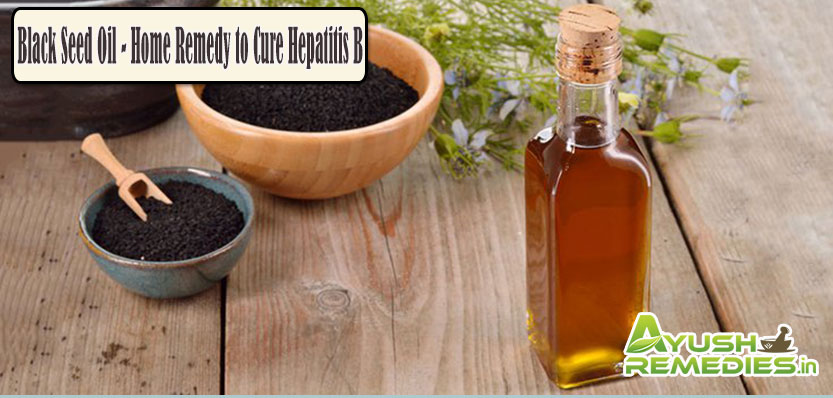
Black seed oil is one of the oldest and most trusted home remedies for hepatitis B.
This oil removes digestive problems and improves the functions and health of the liver.
It is also warm in potency and seeps into blockages to instantly initiate the normalization procedure.
The use of this oil checks the progression of the disease and prevents it from aggravating beyond recovery.
Licorice – Natural Way to Treat Hepatitis B
Licorice is another popular herb that has been used as one of the reliable home remedies for hepatitis B infection.
Drinking 2-3 cups of licorice tea is a simple way to expel infection and protect the liver.
An inch-long piece of crushed Licorice roots can be boiled with a cup of water for a few minutes and consumed after straining when bearably warm.
This herb has shown prolific properties that improve liver functions and enhance the immune system to provide relief from the infection.
Reishi Mushroom – Remedy to Treat Hepatitis B
Reishi mushroom is an immunity enhancer, which makes it one of the useful home remedies for hepatitis B infection.
Higher immune system functions handle viral infection and flush it out of the system safely before it causes irreversible damage.
Beetroot – Natural Treatment for Hepatitis
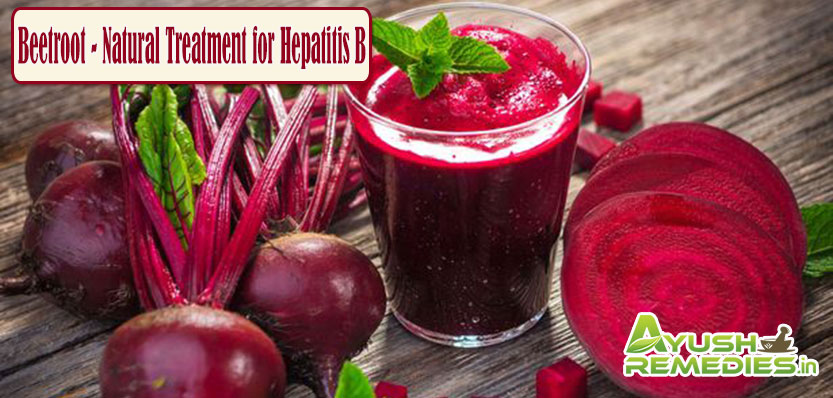
Beetroot is another easily available natural treatment for hepatitis B.
It is widely prescribed as a home remedy for hepatitis B due to its nutritional properties.
2-3 pieces of beetroot per day enhance the nutritional value of food and also relieve symptoms and fatigue caused by infection.
A few glasses of beetroot juice keep energy levels higher and nourish the organs of the body.
Milk Thistle – Natural Treatment for Hepatitis B Infection
Milk thistle is another popular herb used as a natural treatment for hepatitis B infection.
This herb has properties that strengthen outer liver cells and protect the organ from all types of infections and stressors.
This herb stimulates the synthesis of protein in liver cells and prevents the invasion of harmful toxins and infectious agents.
The use of this herb is one of the dependable home remedies for hepatitis B infection.
Dandelion Leaves – Home Remedy for Hepatitis B Infection
Dandelion leaves are also effective in handling viral infections. The tea of this herb a few times in the day enhances liver functions and boost-up immunity.
Dried dandelion leaves, about two teaspoons full, can be boiled with a cup of water for a few minutes.
Later, when it is warm, strain and drink, and repeat a few times. Regular use of this herb is a good way to get rid of the infection and protect health.
Indian Gooseberry (Amla) – Remedy for Hepatitis B
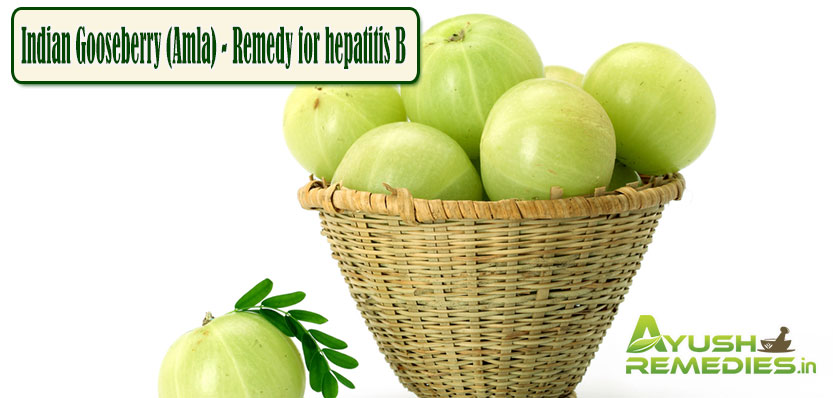
Indian Gooseberry is the richest source of vitamin C and other minerals, and antioxidants.
Dried Amla powder with jaggery is an old and trusted natural treatment for hepatitis B.
This fruit can be consumed raw as well, and even its juice is beneficial for keeping the liver healthy and boosting immunity to fight back against viruses.
Diet for Hepatitis B Patients
Diet for a hepatitis B patient shall comprise wholegrains, fruits, and vegetables predominantly.
These are high fiber, high mineral, and low-fat foods that are easily digestible and maintain energy and nutrition.
Losing energy is one of the major concerns of hepatitis B patients, which aggravates other symptoms.
These foods ensure that the body gets the entire range of nutrients and antioxidants, and also vitamins essential for recovery and resistance to viral activities.
Other than these, lemons, ginger, garlic, honey, and olive or canola oil shall also be used in the diet for hepatitis B patients.
Dry fruits, nuts, seeds, cheese, yogurt, buttermilk, dried beans, tofu, and poultry and fish in limited quantities are also necessary parts of a complete diet for hepatitis B.
In the diet for a hepatitis B patient, special care shall be taken to avoid an overdose of any mineral or vitamin.
It is advised that special care shall be taken to avoid excessive intake of iron, copper, niacin, and vitamin A.
Alcohol needs to be cut out completely, as it is excessively stressful for the liver.
Avoid spicy, junk, processed, fatty, and hard-to-digest food items, and also excessive tea and coffee.
Hepatitis B Treatment and Prevention
For effective prevention, hepatitis B vaccination is most reliable; the vaccination is 95% effective, and once done completely, it lasts for 20 years at least.
The vaccination is done through 3-4 injections given at different times; all the injections at the proper time shall be taken for complete immunity.
There are vaccines available that provide protection from hepatitis B and A.
To be doubly sure, you can get your blood checked after vaccination to know if a vaccine is working for you.
If it is not, an additional injection can be taken with the advice of doctors, which will ensure protection.
Along with vaccination, a few steps are necessary for the prevention of hepatitis B.
Do not perform unprotected intercourse. Always use condoms even with known people.
Do not indulge in rough sex and remain loyal to one partner. Do not share personal things with anyone whose medical history is unknown to you.
Avoid sharing razors, toothbrushes, nail clippers, etc., which may contain traces of blood.
If you have to touch blood, wear latex gloves for the prevention of hepatitis B.
If you are planning to get a tattoo, trust only good quality parlors for clean needles and ink.
Injections and syringes are also popular media that spread infection. Stay away from drugs.
These are not only hazardous for health but also carriers of infection.
Even drugs that do not need a needle can spread the infection through currency notes or foil paper used to snort.
Non-sterilized syringes and needles in hospitals, clinics, blood donation centers, etc., are also capable of spreading infection easily. Take care when you visit any of these.
If you have been diagnosed with hepatitis infection, avoid spreading it. Take proper treatment and do not donate blood.
Keep your personal things with you and do not share them with others even if asked.
Dispose of these properly and safely after use. Get your bed partner vaccinated and take special care in bed during intimacy for the prevention of hepatitis B.
You may like reading:
Home Remedies for Alcoholic Liver Disease: Diet and Treatment
Ayurvedic Medicines for Liver Disorders: Improve Liver Function